We're proud to be a part of Madison County, Indiana and
It doesn't take long to see why. Look below for more on our community.
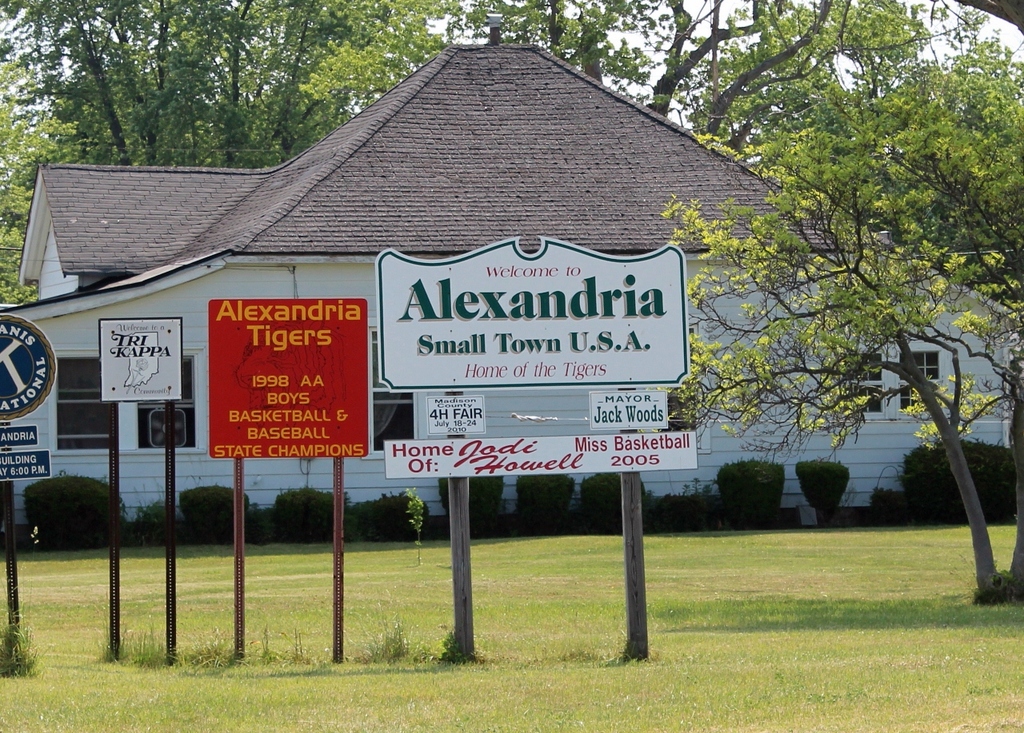
Alexandria is a city in transition. Founded in 1836 and incorporated in February 1893, the city was home to many events including a gas boom, the innovation of Aladdin Lamps, the Rockwool Insulation industry, Indiana’s first interurban, and the rise of gospel music. Prior to the decline of manufacturing in the U.S., the city served as a “bedroom community” where numerous workers in the auto industry made their homes and raise their families. It was precisely that atmosphere that influenced our nation to designate Alexandria as “Small Town U.S.A.” by the United States War Department during World War II, an honor proudly to carried on as the city continues to develop into the future.
Anderson is moving into the future. Named for Chief William Anderson, whose mother was a Delaware (Lenape) Indian and whose father was of Swedish descent. Founded in 1827 and incorporated in December 1838, the natural gas boom brought several industries, notably those in glass manufacturing, which led to a population explosion, the natural gas ran out. Several factories left and the local economy slowed, but the Remy Brothers were persuaded to stay in Anderson and encouraged other entrepreneurs to locate here as well, growing the auto manufacturing heritage that would carry on for decades. Today, Anderson continues to thrive in manufacturing while at the same time diversifying its economic base by actively recruiting new companies in various industries. Today, Anderson has a rich multicultural quality of life and low cost of living.
Chesterfield is a progressive community. William Dilts and Frederick Bronnenberg first settled in Makepeace (renamed Chesterfield in 1834) in 1821 on the east side of Mill Creek and a built a sawmill on the White River. Before long a carding mill made Chesterfield a self-sufficient little community, finally incorporated in 1858. Frederick Bronnenberg owned the land where Mounds State Park is located. He stipulated in his will that whoever bought the land should not disturb the Native American ancient mound works there. His wish was honored and many have enjoyed his beneficence in the quiet beauty of the park. Today, with the Anderson Airport on the edge of town, and centrally located between Indianapolis and Ft. Wayne Airports, Chesterfield is a convenient location with a State Park nearby to unwind.
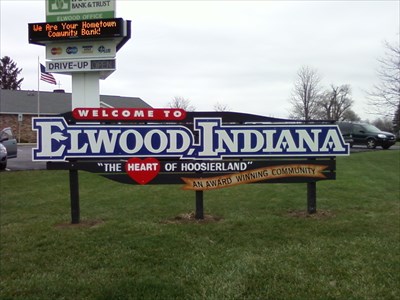
Elwood is bright with ambition and rich with history. From the small town originally called Quincy in 1853, Elwood has prospered through the years, incorporating in 1891. In the early years, the town prospered from the natural gas wells and later farming and canning factories as well as the Tin Plate and hand blown glass factories. Throughout the years, Elwood has adapted to change. And today is no different. The residents will continue to adapt as the city makes progress.
Frankton is the idyllic farming community. Platted in 1853 but not recognized as a town until 1871, Frankton traces its origins back to settlers who found natural gas wells. The town went from its early settlers to attracting local businesses formed around packing, canning, and even a saw mill. Once these factories moved out of the area, Frankton started to resemble what it is now. The rural town boasts tremendous community amongst its residents. The town continues to build on its rich history as it continues to grow the next generation of small town Americana.
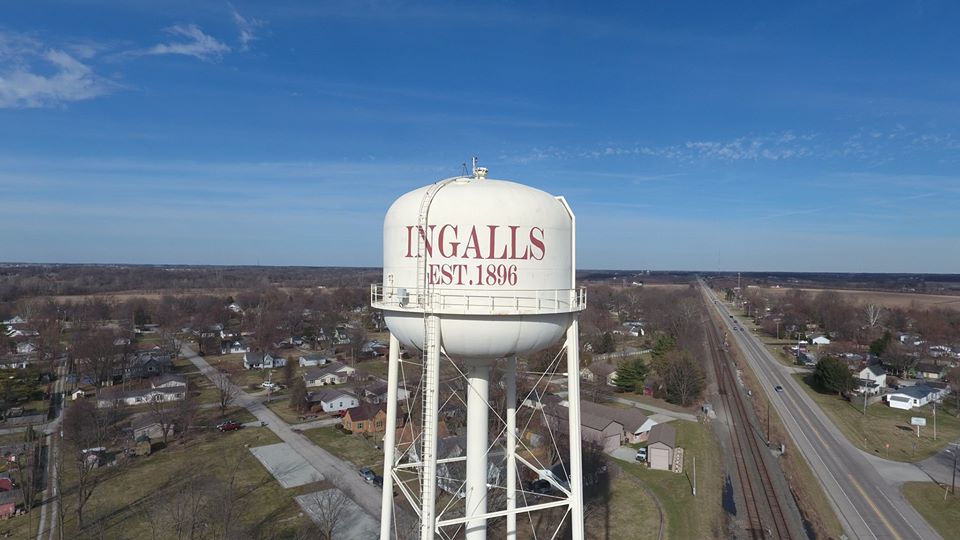
Ingalls is an ever-growing town. In 1893 the Ingalls Land Company bought the land we now know as Ingalls and began platting it for development. Its convenient location and abundant supply of natural gas prompted the arrival of the Big Four Rail Company (today known as CSX) and inspired several new enterprises to move to Ingalls. Within a year, Ingalls boasted eight factories, five hotels, two churches, and a railroad station. Ingalls was officially incorporated into a town in 1896. Today, the town of Ingalls continues to build on its proud history. Ingalls has a bright future and looks forward to welcoming new visitors, neighbors, and residents.
Lapel is on the move. Originating from a railroad extension in 1876 when it was platted for development, Lapel was created as a railroad stop needed by the Anderson, Lebanon & St. Louis Railroad. Once home to movie theaters, Ford dealership, bowling alley, putt-putt, and two small department stores, today, the town is known for its glass factory and golf club. The town has experienced continual expansion in both residential and commercial developments as it harnesses the growth coming from the central Indiana area.
Markleville is peaceful country living. First platted in 1852 by John Markle and incorporated in 1912. Today this prime location, hardworking residents, and bucolic rural setting make our town one of central Indiana's hidden gems.
Orestes is a charming town. Founded in 1876 as a little village known as Lowrys Switch, and eventually incorporated and renamed in 1894, Orestes is best known as the birthplace of Red Gold. Their story begins in 1942 when the government asked citizens to step up and help the war effort by supplying food for our troops. When Grover Hutcherson heard this message, he and his daughter Fran purchased and rebuilt an abandoned cannery building that had been destroyed on three separate occasions by fires and a tornado. Four generations later, the Red Gold family is still working with local farm families to grow the highest-quality best tasting tomatoes in the world.
Pendleton fuses small-town charm and bold modern thinking. Pendleton’s recorded history begins in December 1818 when John Rogers, the first non-native settler to the area, built his home near the falls on Fall Creek. As time passed, more people made their way to the region, always settling near the falls, the community’s source of water and power. In 1821, Thomas Pendleton laid out the original town plat and gave it his name. Pendleton incorporated as a town in 1854 and gas was fast becoming the fuel of choice. During this era, several glass and tile manufacturing facilities called Pendleton home. Through the 20th century Pendleton continued to grow, all the while remaining committed to responsible planning. That foresight made the town the unique place it is today—an ideal home for residents and businesses alike. History and progress. There’s no need to choose one over the other when you can have them both.
Summitville, a wonderful bedroom community. The first permanent settlers in the area were said to arrive in the year 1830 but was officially incorporated in 1881. Summitville is the highest point between Indianapolis and Ft. Wayne. In 1897 Summitville had 3 glass factories, 2 saw mils, a flour mill, a brick factory and the largest clay farm tile factory in the U.S. As was the case with other surrounding communities, when the gas supply was used up, a lot of the industries that existed due to the fuel, failed or moved out, and the community returned to its biggest asset, that being the land and agriculture. Some say Summitville is located in the middle of nowhere, we say we are located in the center of everywhere.
According to Sperling’s Best Places, Cost of Living Index for Madison County (Anderson) is 71.4. In comparison, Delaware County (Muncie) was 73.3 while Marion County (Indianapolis) was 84.9.
Madison County Hospitals
St. Vincent Anderson Regional Hospital
Community Hospital Anderson
St. Vincent Mercy Hospital Elwood
Madison County Community Health Center also provides a full medical and health service including dental care for the uninsured, underinsured, Medicaid, and Medicare populations.
The arts and culture scene of Madison County is vibrant and continually growing.
With must-see theater experiences like the Paramount Theatre, Alley Theatre, Mainstage Theatre, and the Commons Theatre, there are various opportunities to take in the arts. The A Town Center provides free studio space for artists and provides a number of community engagement opportunities.
Madison County also holds many opportunities for recreation for its citizens. Mounds State Park, Pendleton Park, and Callaway Park are just the highlights.
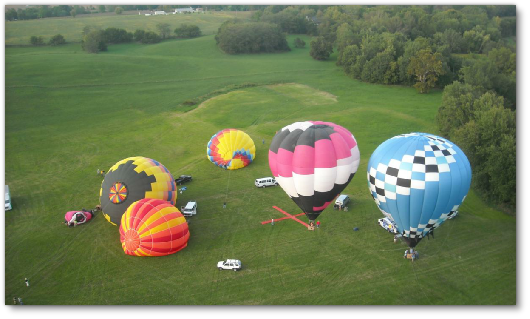
Hoosier Park Racing and Casino, SoarIndy, and Anderson Speedway provide citizens with a diverse set of opportunities for entertainment and fun